

Medi-Cal vs. PPO Dental: What’s the Difference?
Blog:Medi-Cal vs. PPO Dental: What’s the Difference?

Choosing the right dental insurance can make a big difference in maintaining your oral health and maximizing your benefits. Two of the most common types of dental coverage in California are Medi-Cal Dental and PPO (Preferred Provider Organization) plans. Understanding how each one works can help you make confident decisions about your care.
What Is Medi-Cal Dental?
Medi-Cal Dental, also known as Denti-Cal, is a state-funded program that provides essential dental care to eligible low-income individuals and families. It covers many important services, including:- Routine exams and cleanings
- X-rays
- Fillings and extractions
- Emergency dental treatment
What Is a PPO Dental Plan?
PPO dental plans are private insurance policies that offer patients flexibility and broader treatment options. With a PPO plan, you are free to choose your dentist from a large network of providers. Many PPO patients also prefer to see dentists based on reputation, convenience, or quality of care, sometimes even if the dentist is not listed as in-network.PPO plans typically include:
- Greater freedom to choose your provider
- More expansive coverage for restorative and cosmetic treatments
- Preventive care benefits such as cleanings and exams
How PPO Dental Insurance Actually Works
One of the most important things for patients to understand is that dental insurance works very differently than medical insurance.Medical insurance is designed to cover large, unexpected health expenses. Dental insurance, on the other hand, works more like a discount or coupon program that helps reduce your total cost, rather than fully covering treatment. Here’s what that means:
Annual Maximums
- Most PPO plans come with a yearly maximum, usually between $1,000–$2,500 per calendar year. This is the total amount your insurance will pay, regardless of how much dental work you need.
- Once that maximum is used, any additional treatment becomes the patient’s responsibility until benefits reset the following year.
- Instead of a flat fee, most PPO plans use percentage-based copays, such as:
- Preventive care: often covered at 80–100%
- Basic care: often covered around 70–80%
- Major care (crowns, root canals): often covered around 50%
- This means insurance only pays a portion of the cost—not the full amount. And the patient is responsible for the rest. Sometimes a secondary insurance can help with coverage.
- Some PPO plans also require a deductible to be met before certain services are covered.
In simple terms: Dental insurance helps lower the cost of treatment—but it is not designed to pay for everything in full.
Medi-Cal vs. PPO: Key Differences
While both insurance types help make dental care more accessible, they differ in important ways:- Medi-Cal Dental focuses on essential and preventive services at little to no cost for eligible patients. Coverage is more structured, and patients must see providers who accept Medi-Cal.
- PPO dental plans give patients the freedom to choose where they go and often include a wider range of treatments, including cosmetic and advanced restorative options.
Both can be excellent choices, what matters most is your personal dental needs, preferences, and budget.
How Primary & Secondary Insurance Works
(For patients with two dental plans, including PPO + PPO or PPO + Medi-Cal Dental)Some patients have dual coverage, meaning two active dental insurance policies. This can significantly reduce out-of-pocket costs when coordinated correctly.
Here’s how it generally works:
1. Determining Primary vs. Secondary
- If you have two PPO plans, your primary plan is usually the one provided through your employer or the plan you’ve had longest.
- If you have PPO + Medi-Cal Dental, the PPO plan is almost always billed first, and Medi-Cal Dental may step in as the secondary plan depending on the service and eligibility.
2. How Billing Works
- Your dentist sends a claim to the primary insurance first.
- Once the primary pays its portion, the remaining balance is sent to the secondary insurance to see if they will cover part of the difference.
- Patients may still have a remaining copay, depending on each plan’s guidelines and coverage.
This process helps ensure patients receive the maximum benefit available under both plans.
Maximize Your Dental Benefits at Nook Dental
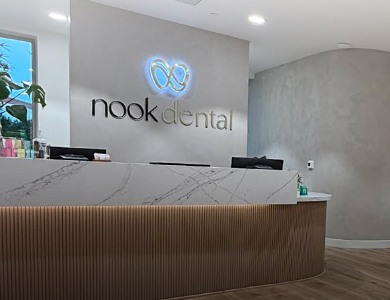
At Nook Dental, we welcome patients with both Medi-Cal and PPO dental insurance. Our compassionate team is dedicated to helping you understand your coverage, maximize your benefits, and receive the care you deserve. Whether you need preventive care or advanced treatment, we make it simple to keep your smile healthy and confident.Contact Nook Dental, your trusted dentist in Chula Vista, to book your next dental exam and experience personalized, high-quality dental care. Call (619) 600-5941 to book an appointment today.
Quick Links
Helpful Articles
article_category: products
article_category: psychiatry
article_category: faqs
article_category: cats
article_category: general
article_category: services
article_category: technology
article_category: dogs
article_category: restorative
article_category: vision therapy
article_category: contact lenses
article_category: health
article_category: conditions
article_category: eye surgery co-management
article_category: exotic
article_category: cosmetic
article_category: surgical procedures
article_category: aesthetics
article_category: preventative
article_category: ocular disease management
article_category: eyeglasses
article_category: eye health
article_category: large animal
[]
article_category: psychiatry
article_category: faqs
article_category: cats
article_category: general
article_category: services
article_category: technology
article_category: dogs
article_category: restorative
article_category: vision therapy
article_category: contact lenses
article_category: health
article_category: conditions
article_category: eye surgery co-management
article_category: exotic
article_category: cosmetic
article_category: surgical procedures
article_category: aesthetics
article_category: preventative
article_category: ocular disease management
article_category: eyeglasses
article_category: eye health
article_category: large animal
[]
Flowbite is an open-source library of interactive components built on top of Tailwind CSS including buttons, dropdowns, modals, navbars, and more.
Check out this guide to learn how to get started and start developing websites even faster with components on top of Tailwind CSS.
All Dental Services
We offer a wide variety of dental services to the Chula Vista community. Contact us with any questions about our services.
Keep In Touch
For non-urgent questions or to learn more about our services, contact us today!
Get Started
Request Your Visit Today
Appointments
For quick scheduling, call (619) 600-5941 or simply submit your appointment request online.
Dental Insurance Verification
Navigating your dental insurance coverage can be complex. Rest assured, we're here to help
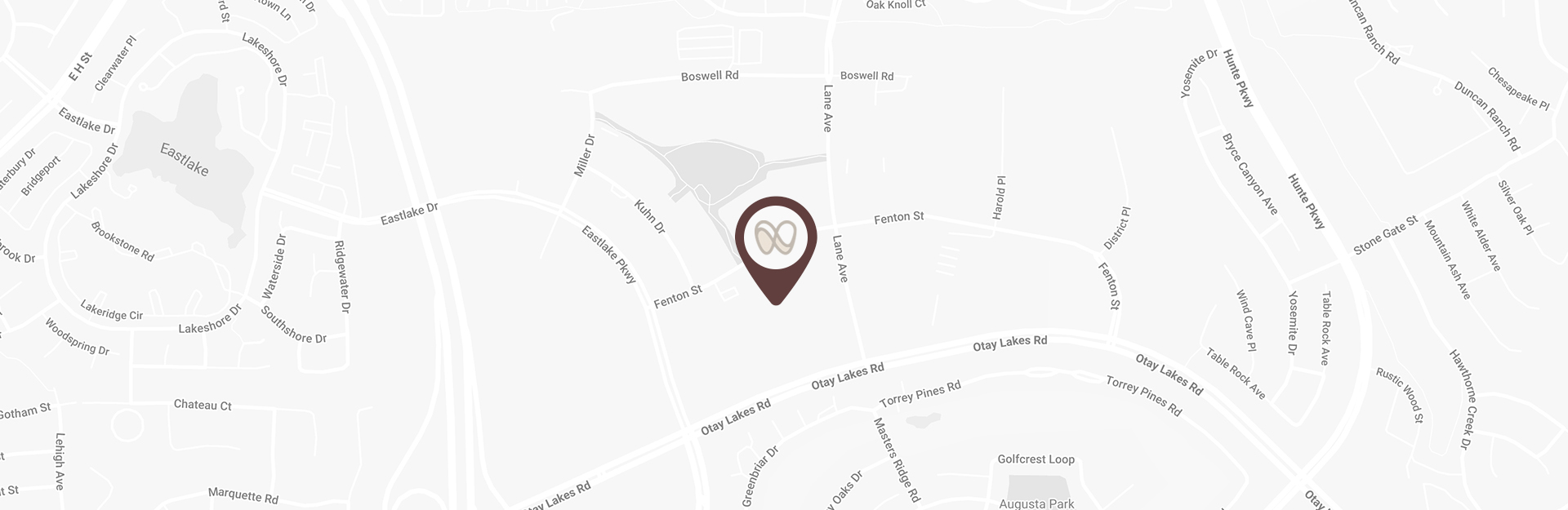

Quick Links
Contact Info
Hours of Operation
- Monday 9:00AM -1:00PM
2:00PM - 5:00PM - Tuesday Closed
- Wednesday 9:00AM -1:00PM
2:00PM - 5:00PM - Thursday Closed
- Friday 9:00AM -1:00PM
2:00PM - 5:00PM - Saturday By Appointment
- Sunday Closed *Lunch 1PM - 2PM
- Monday
- Tuesday
- Wednesday
- Thursday
- Friday
- Saturday
- Sunday
- Monday
- Tuesday
- Wednesday
- Thursday
- Friday
- Saturday
- Sunday
© 2026 Nook Dental. All rights Reserved - Accessibility Statement - Privacy Policy - Sitemap
Managed and Designed by 